Start with the limestone and the finished product
This is a conceptual planning option for limestone that is suitable for single-stage reduction. It combines controlled feeding, heavy hammer crushing, screening and conveying. It is not a completed customer installation or a fixed-capacity package.
Confirm the feed characteristics and required size fractions before choosing the equipment. Where the material or product requirements do not suit this arrangement, the crushing stages and return circuit need to be reviewed.
A five-stage process to review
- HopperReceive the limestone feed and define the feeding interface.
- Vibrating feederRegulate delivery into the crushing stage.
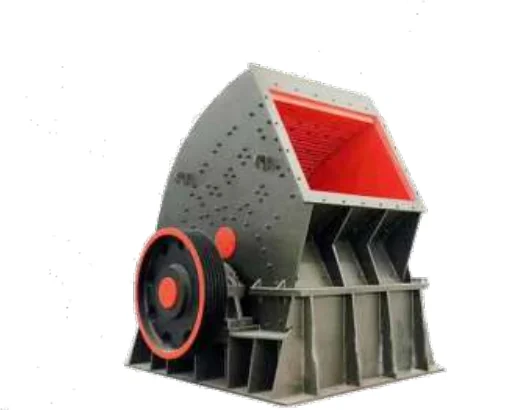
- Heavy hammer crushingAssess a single-stage reduction option against the actual limestone and product requirements.
- ScreeningSeparate the crushed material into the required size fractions.
- Conveying & stockpilingRoute each fraction to its designated storage or downstream process.
Extract dust at crushing and screening points; route off-size material as configured.
Selection inputs for a limestone line
| Project input | Information needed | Decision it informs |
|---|---|---|
| Limestone properties | Representative material sample or test data; deposit variation and clay or overburden. | Whether a single-stage reduction route is appropriate. |
| Maximum feed size | Largest lump and the normal feed-size distribution in mm. | Hopper, feeder and crusher intake selection. |
| Target production | Required throughput in t/h and planned operating hours. | Equipment sizing and the plant operating duty. |
| Product grading | Required size fractions in mm and any shape or fines limits. | Screen configuration and off-size material routing. |
| Site and utilities | Layout, elevation, access, power supply and dust-control requirements. | Conveyor arrangement, installation interfaces and supporting systems. |
| Project scope | New line, expansion, equipment replacement or process modification. | The equipment and interfaces included in the proposal. |
Equipment and supporting systems
The process scope can include a hopper, vibrating feeder, heavy hammer crusher, vibrating screen and belt conveyors. Review dust extraction at the crushing and screening points and define how off-size material is handled.
For an existing plant, provide the equipment list and connection dimensions. For a new line, provide the available footprint, elevation and proposed stockpile positions.
Prepare the project brief
- Limestone properties and top size
- Capacity and product grading
- Site elevation and dust control
Send your limestone project requirements to review the equipment scope and next steps.