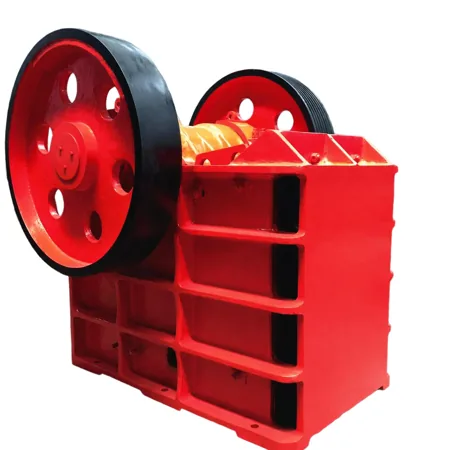
PE / PEX
Deep-chamber jaw crusher
Primary & fine crushing
Equipment & specificationsAggregates
The dry reference process connects jaw and cone crushing, VSI sand making and screening with rotor powder classification and dust collection. Review it where process water is limited, then check feed moisture, clay and the required fines content against the wet washing alternative.
Combine crushing, shaping, screening and air classification to control fines in a dry process.
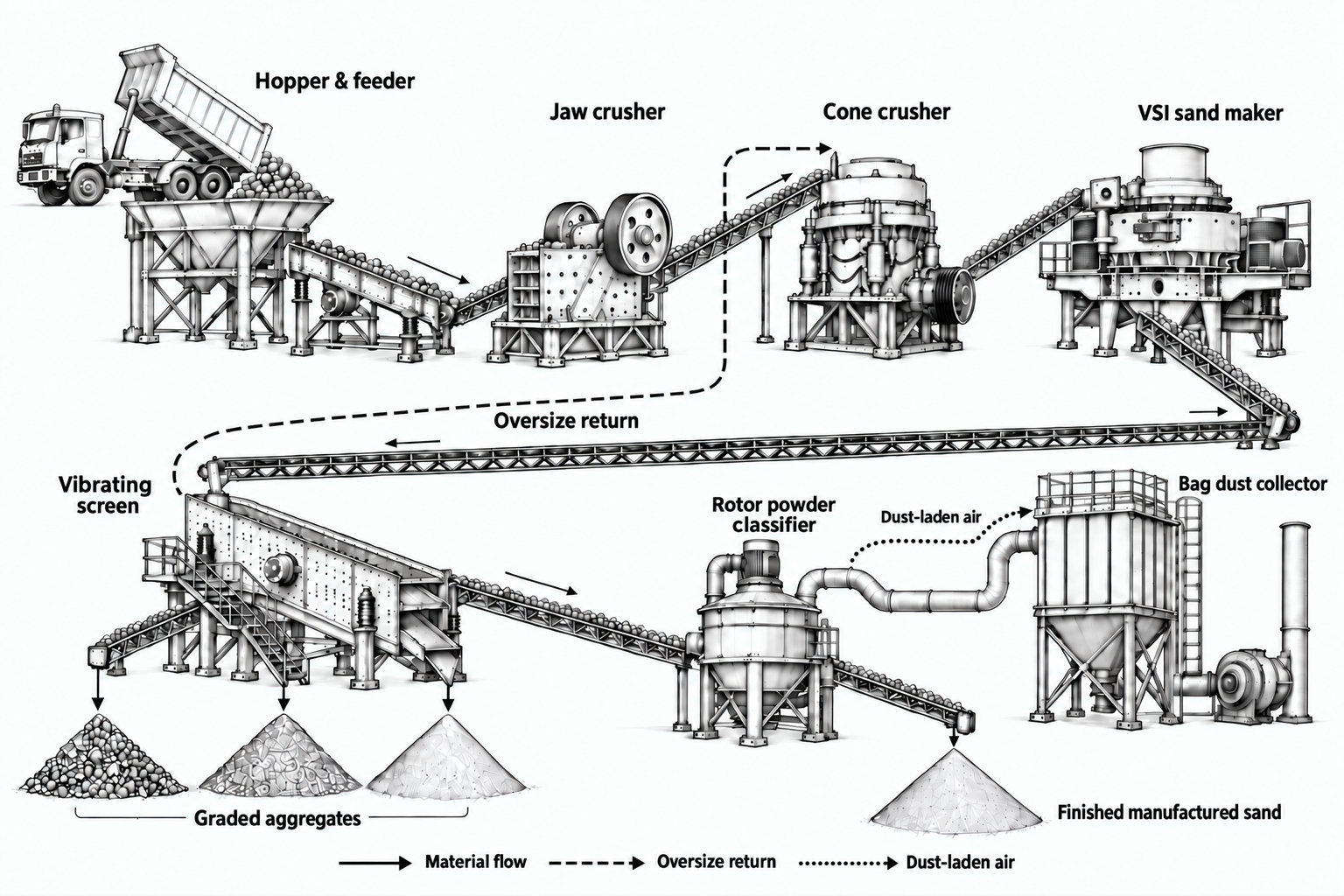
Solid: material flow · Dashed: oversize return · Dotted: dust-laden air
The material route starts at the hopper and feeding stage.
Manufactured sand, graded aggregates and separated powder
Oversize returns to crushing; dust-laden air enters collection.
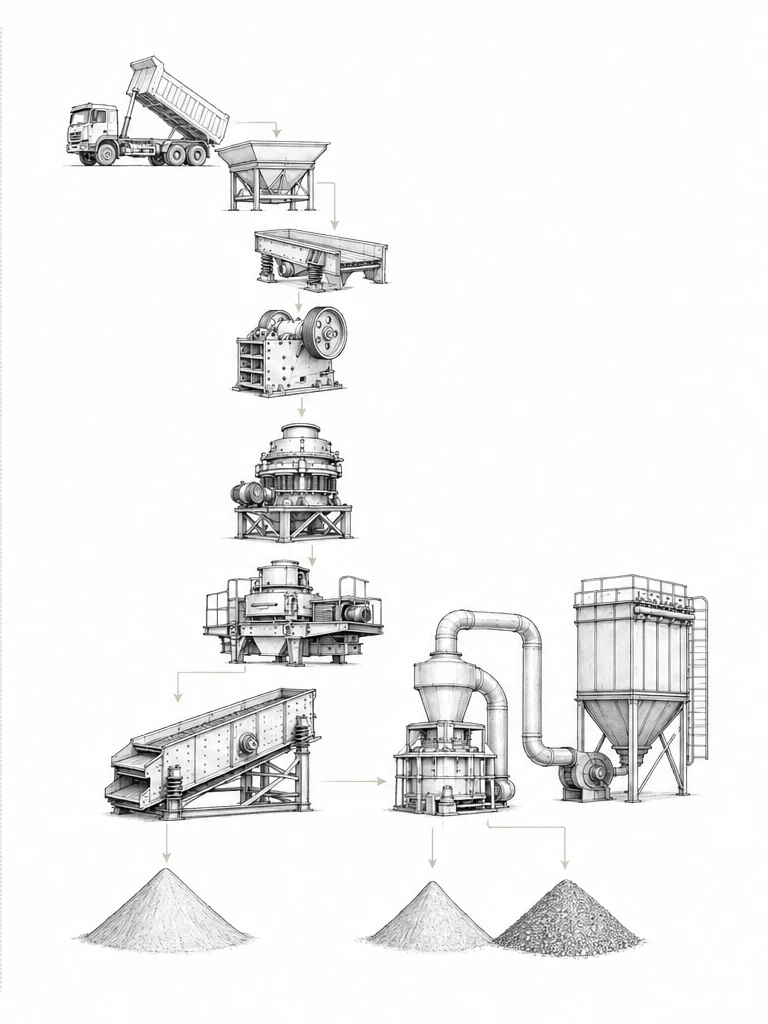
The catalogue dry route combines jaw and cone crushing, VSI sand making, screening, rotor powder classification and dust collection. It is a reference option where process water is limited and the project needs a defined method of controlling fines.
Check feed moisture, clay and the required sand fines content before assuming that the dry route fits. The flowsheet defines the stages and side streams; it does not establish a plant-wide throughput or a guaranteed fines percentage.
Catalogue reference: PDF page 39
The two catalogue routes share crushing, VSI sand making and screening. Their later treatment differs: the dry route classifies and collects powder; the wet route washes sand and recovers/dewaters the fine-sand stream. Compare those process duties against the material and site conditions.
| Selection question | Dry reference route | Wet reference route |
|---|---|---|
| How are fines handled? | Rotor powder classification and dust collection | Sand washing, fine-sand recovery and dewatering |
| Which side streams need a plan? | Separated stone powder and dust-laden air | Sand-bearing wash water and fine slurry |
| Which site inputs should be supplied? | Feed moisture/clay, required fines content, classifier airflow and dust extraction | Feed/clay conditions, sand grading, water supply and return-water/slurry handling |
Catalogue reference: PDF page 39
State the feed and finished-product requirements before selecting individual machine rows. A VSI capacity must include its feed arrangement; it is not a stated finished-sand yield or the capacity of the complete circuit.
Catalogue reference: PDF page 9, PDF page 39
Primary & fine crushing
Equipment & specifications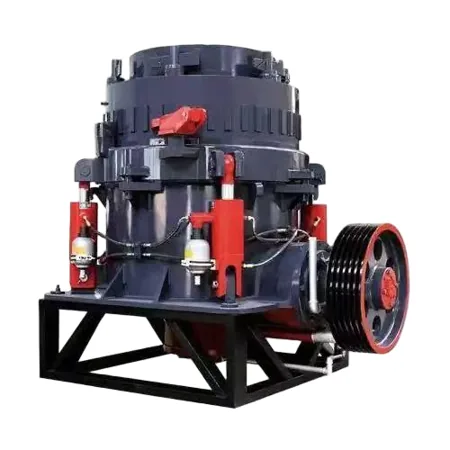
Hydraulic secondary crushing
Equipment & specifications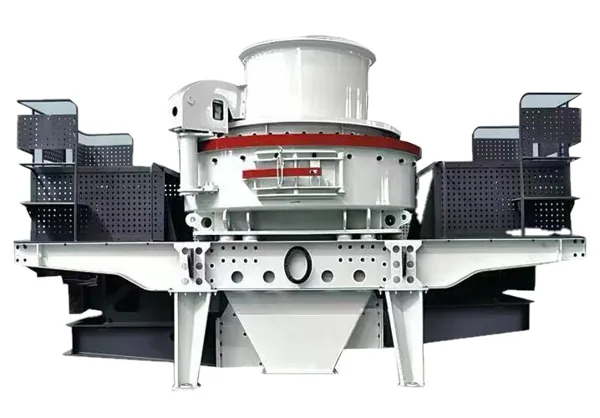
Sand making & shaping
Equipment & specifications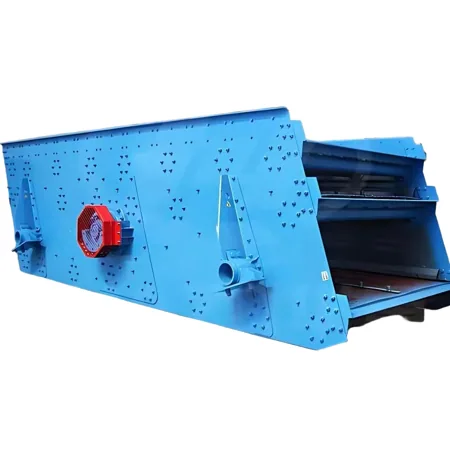
Aggregate sizing
Equipment & specifications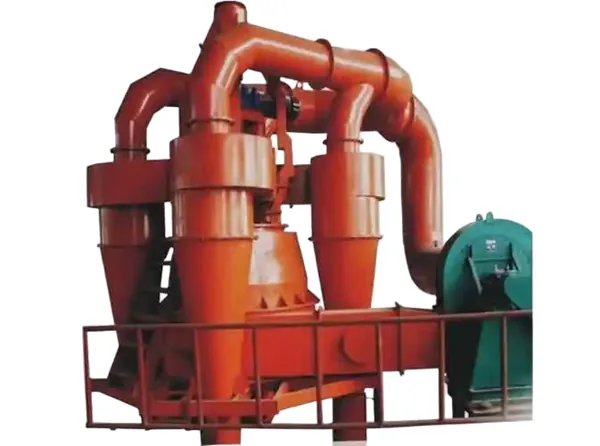
Dry classification
Equipment & specifications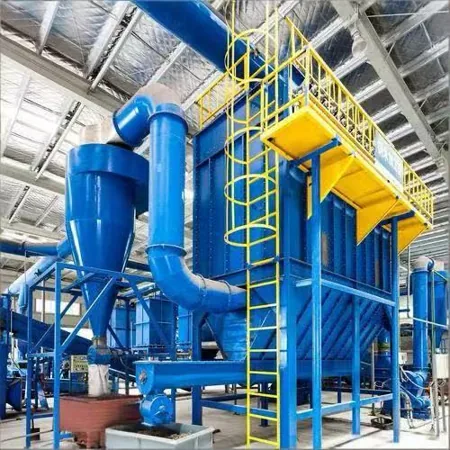
Dust collection
Equipment & specifications